The Allure of Casino Games
Casino games have an undeniable allure that draws millions of players worldwide. This attraction isn’t purely based on the potential for winning money; it also taps into deeper psychological triggers. The bright lights, sounds, and vibrant atmosphere create a sensory experience that can be both exhilarating and addictive. Players often find themselves entranced by the prospect of winning, especially when opportunities arise, which is why checking out the latest nfl betting promotions can add to the excitement, further encouraging them to engage in gaming.
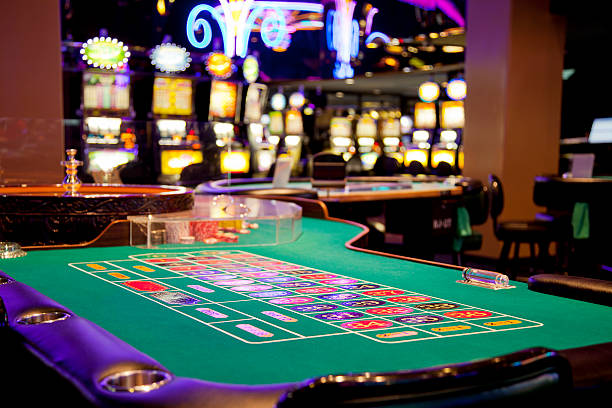
This psychological phenomenon is often referred to as the «near-miss effect.» When players come close to winning, such as spinning the wheel and almost hitting the jackpot, their brains release dopamine, a chemical associated with pleasure and reward. This sensation can lead to repeated play, as players chase that feeling of excitement and the hope of an eventual win.
The Role of Risk and Reward
Understanding the psychology of risk and reward is crucial in comprehending why players are drawn to casino games. Each game presents a balance of risk: the potential for a high reward (a big win) is often accompanied by a significant chance of loss. This imbalance can create a gambling behavior known as «loss chasing,» where players continue to gamble in hopes of recovering their losses. The thrill of taking risks can be intoxicating, leading to a phenomenon known as «the gambler’s fallacy,» where players believe they can predict outcomes based on previous results. This fallacy can cause them to engage in reckless behavior, such as betting more than they can afford. The psychological drive behind this behavior underscores a complex relationship between the thrill of the game and the potential consequences.
The Influence of Social Interaction
Another significant factor in the psychology behind casino games is the social aspect. For many players, visiting a casino is a social event. Interacting with others, whether it be friends or strangers, enhances the gaming experience. This social engagement can lead to an increased sense of enjoyment and prolong the time spent playing. Casinos often create communal environments, such as table games, where players can share in the excitement. This shared experience can amplify emotions and lead to a sense of belonging. As players cheer for one another or commiserate over losses, the social dynamics at play can often outweigh the individual outcomes of the games themselves, reinforcing the desire to return.
Psychological Triggers Used by Casinos
Casinos are well aware of the psychological triggers that influence player behavior. They design their environments to maximize engagement, often employing strategies that keep players in a state of flow. This includes using appealing visuals, engaging sounds, and even scents that evoke feelings of relaxation or excitement. Additionally, many casinos employ loyalty programs that reward frequent players, tapping into the psychology of commitment. Once a player invests time and resources into these programs, they may feel compelled to continue playing to reach higher tiers of benefits, illustrating how psychological manipulation can be harnessed to maintain player loyalty.

Enhance Your Gaming Experience with Our Insights
Understanding the psychology behind casino games can significantly enhance your gaming experience. By recognizing the factors that influence your behavior, you can approach gambling with a more informed mindset, allowing for better decision-making and more enjoyable play. Our website offers valuable insights into various aspects of gambling, helping you navigate the thrilling world of casinos while promoting responsible gaming practices. Whether you are a casual gamer or a seasoned player, being aware of the psychological elements at play can lead to a more fulfilling and balanced gaming experience. Join us to explore these insights further, ensuring that your time spent at the casino is both entertaining and responsible.